



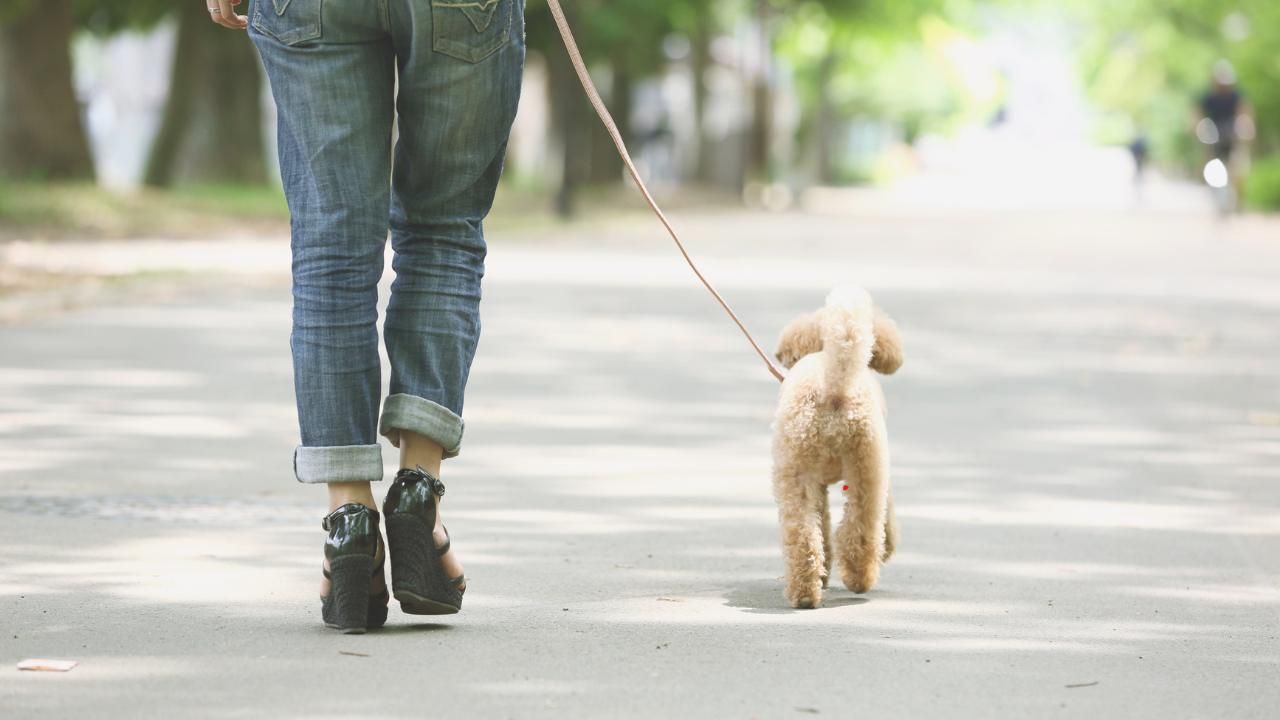
From Leash Puller to Loose Walker: Transforming Walks Into Joyrides
Some dogs treat every walk like a race you never agreed to run. One moment you’re stepping out the door, and the next you’re hanging onto the leash like it’s the last rope in a tug-of-war. The good news? That chaos doesn’t have to be permanent. With the right approach, any dog can learn to walk calmly, confidently, and without dragging you down the block.
In this guide, you’ll learn why dogs pull, how to fix it, and the simple habits that turn stressful strolls into smooth, enjoyable outings.
Why Dogs Pull in the First Place
Pulling isn’t bad behavior, it’s instinct. Dogs move faster than humans, get excited easily, and react to every sound, sight, and scent. Even a well-trained dog can slip into pulling if they’ve built strong habits around it or haven’t had consistent direction.
Some of the most common reasons dogs pull include:
Too much pent-up energy
Distractions like squirrels, smells, or other dogs
Lack of clarity on what you expect
Reinforcement from owners who follow the dog instead of leading
Understanding the “why” makes it easier to fix the “how.”
Switching From Chaos to Calm: The Techniques That Work
The transformation starts with consistency, not force. Dogs learn patterns, so when your pattern changes, their behavior follows.
Here are reliable strategies that shift the walk dynamic:
1. Start With Structured Movement
Before heading out the door, ask for a simple command: sit, look, or wait. This sets the tone and reminds your dog that the walk is guided, not self-directed.
2. Reward Position, Not Pulling
If your dog walks beside you, even for a moment, mark it with a “yes!” or treat. Dogs repeat what gets rewarded.
3. Use Direction Changes
When your dog pulls ahead, turn around. Not fast, not jerky, just a smooth 180. This teaches your dog that pulling leads to the opposite of what they want.
4. Keep Sessions Short at First
Expecting a full mile of perfect walking from day one is unrealistic. Begin with 5–10 minute sessions and stretch them over time.
5. Upgrade the Tools, Not the Force
Harnesses, longer leashes for training, and high-value treats make the process easier. The goal is guidance, not correction.
When Professional Help Speeds Up the Process
Some dogs learn quickly. Others need a patient professional who can reset their habits from scratch. If you're looking for structured training done for you, some families choose programs like fully trained dogs for sale in Cottonwood AZ, especially when they want a dog that’s already reliable on leash and in everyday life.
A reputable trainer, such as Doodling Pups, LLC, does more than teach manners. They create a foundation you can maintain long-term, which is exactly what many busy households need.
Mini Case Study: The Dog That Pulled Like a Freight Train
Bailey, a 1-year-old Labradoodle, dragged her owner through every block of their neighborhood. Walks became so stressful her owner started avoiding them entirely. After two weeks of structured training, Bailey learned to check in, slow her pace, and match her owner’s stride. By the end of the month, her owner described walks as “finally peaceful.” The transformation wasn’t magic, it was repetition, clarity, and a training plan built around Bailey’s energy level.
Enjoy the Walks You’ve Been Dreaming About
Loose-leash walking isn’t a luxury, it’s a skill any dog can learn with the right roadmap. Start small, stay consistent, and don’t be afraid to get help when your dog needs a structured reset.
Your next walk could feel completely different. Ready to start training and make every outing a joyride? Contact us today.